
How to Start an Arcade Business in 2026: The Ultimate Guide to Profit & Play
A comprehensive skyscraper guide for entrepreneurs looking to start an arcade business in 2026. It covers market analysis, detailed startup costs ($50k-$500k+), legal requirements (including amusement device permits and music licensing), game selection strategies for maximum ROI, and modern operational tactics like cashless systems and VR integration.
Introduction: The Resurgence of Arcade Businesses in 2026
Far from being a relic of the 80s, the arcade industry is experiencing a dynamic renaissance driven by the “experience economy.” In an era where digital connectivity is ubiquitous, consumers are craving tangible, social, and immersive entertainment. According to a 2025 report by ResearchAndMarkets, the global Family Entertainment Centers (FEC) market is projected to reach nearly $110 billion by 2030, growing at a CAGR of over 13%. This surge is fueled by a unique convergence of nostalgia-seeking Millennials and Gen Z audiences hungry for high-tech, social gaming experiences.
Opening an arcade in 2026 is not just about buying machines; it is about curating a destination. Whether it is a retro-themed haven, a cutting-edge VR arcade business, or a hybrid “barcade,” the opportunities for profitability are robust for those who plan meticulously. This guide serves as your definitive blueprint, moving beyond surface-level advice to provide the deep, actionable insights required to build a thriving amusement arcade business.
Understanding the Arcade Landscape & Niche Selection
Before drafting your arcade business plan, you must define your identity. The modern market is segmented into several high-potential models:
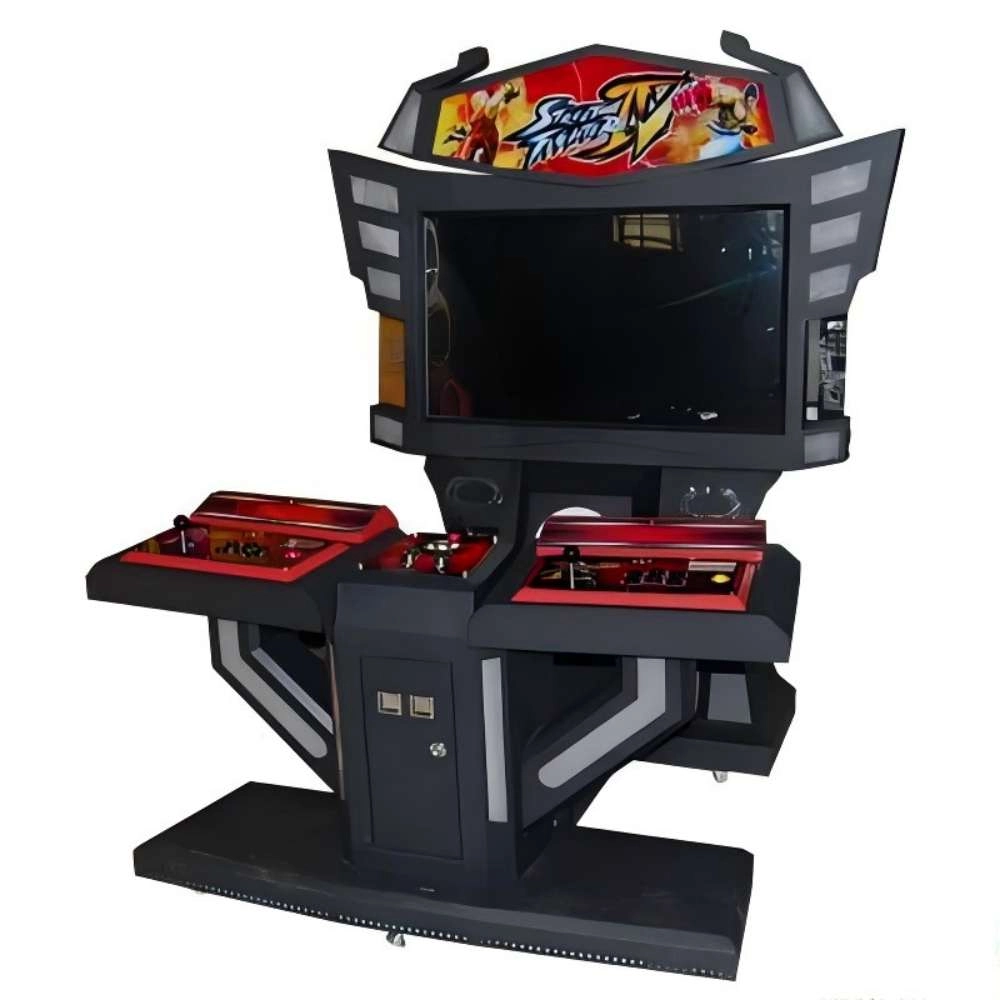
· Classic/Retro Arcades: Focus on nostalgia with cabinets like Pac-Man, Street Fighter, and pinball. These often operate on a "free play" entry fee model or traditional token systems.
· Modern/High-Tech Centers: These facilities leverage the latest technology, including dedicated esports arenas and Virtual Reality (VR) zones. As noted by SkyQuest, the integration of VR is a major trend, with the global arcade gaming market expected to grow steadily through 2033 due to these immersive innovations.
· Family Entertainment Centers (FECs): Large-scale venues combining arcades with attractions like bowling, mini-golf, and laser tag. These generate the highest revenue per square foot but require significant capital.
· Barcades: An adult-centric model combining craft beer and cocktails with gaming. This model boasts high margins due to food and beverage sales.
Market Research & Demographics:Your location dictates your model. A suburban area with young families is ideal for an FEC, while a downtown district near a university is perfect for a barcade or esports lounge. Analyze local competitors: Are they offering redemption games (tickets for prizes) or pure video gaming? Identify the gap. If the local mall arcade lacks VR, that is your entry point.
Crafting Your Bulletproof Arcade Business Plan
A robust arcade business plan is your roadmap to securing funding and managing growth. It must be comprehensive and data-driven.
· Executive Summary: Concisely outline your concept (e.g., "A premier VR-integrated arcade in downtown Austin"), your mission, and your financial goals.
· Market Analysis: Use the data mentioned earlier. Cite the projected growth of the FEC market to demonstrate industry stability to investors.
· Products & Services: Detail your mix. Will you have 40% redemption games and 60% video games? Will you serve food? (Note: Food and beverage can account for 30-50% of revenue in hybrid models).
· Operational Plan: Define your technology stack. In 2026, cashless card systems are mandatory for efficiency, tracking game revenue in real-time.
· Financial Projections: This is where many fail. You need a detailed 5-year forecast including startup costs, monthly burn rate (rent, utilities, salaries), and break-even analysis.
Securing Funding for Your Arcade Dream
Calculating Comprehensive Arcade Startup Costs
Arcade startup costs vary wildly based on size and model. According to industry data from sources like YPFuns and Startup Financial Projections, you can expect the following ranges:
· Small Retro Arcade: $50,000 – $100,000
· Medium FEC / Barcade: $150,000 – $500,000+
· Large Scale Centre: $1 Million+
Key Expense Breakdown:
· Equipment: New machines range from $3,000 to $8,000 each. High-end VR setups can cost $10,000 to $50,000 per unit.
· Leasehold Improvements: Transforming a retail space into an arcade (electrical upgrades, lighting, soundproofing) often costs between $10,000 and $50,000.
· Reserves: Always maintain a contingency fund of 15-20% for unforeseen delays.
Funding Options
Startups rarely get traditional bank loans without collateral. Look into SBA loans (7(a) program), which are popular for brick-and-mortar businesses. Equipment financing is also a viable strategy, allowing you to spread the cost of game cabinets over 3-5 years, preserving your cash flow for marketing and rent.
Location, Location, Location: Finding Your Ideal Spot
Your physical footprint determines your foot traffic. High-visibility areas in shopping centers, entertainment districts, or near cinemas are premium but expensive.
· Size Requirements: A functional arcade needs at least 2,500 sq. ft., while an FEC might require 10,000+ sq. ft.
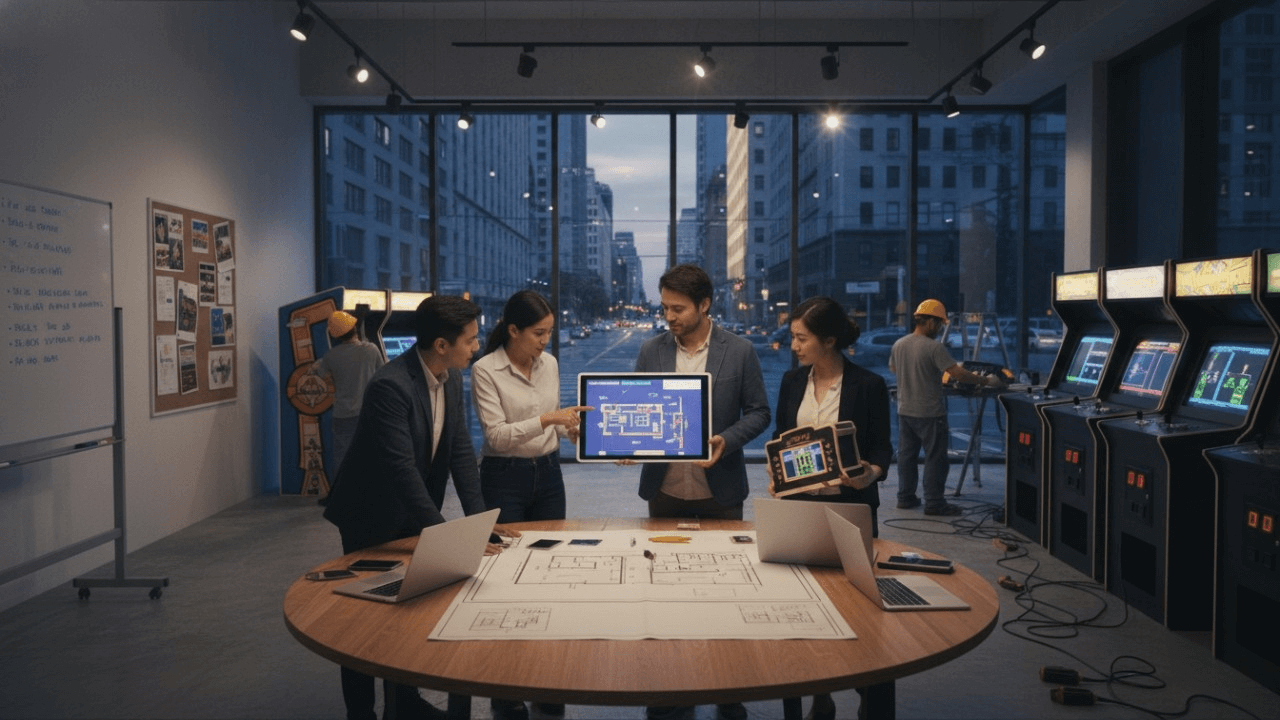
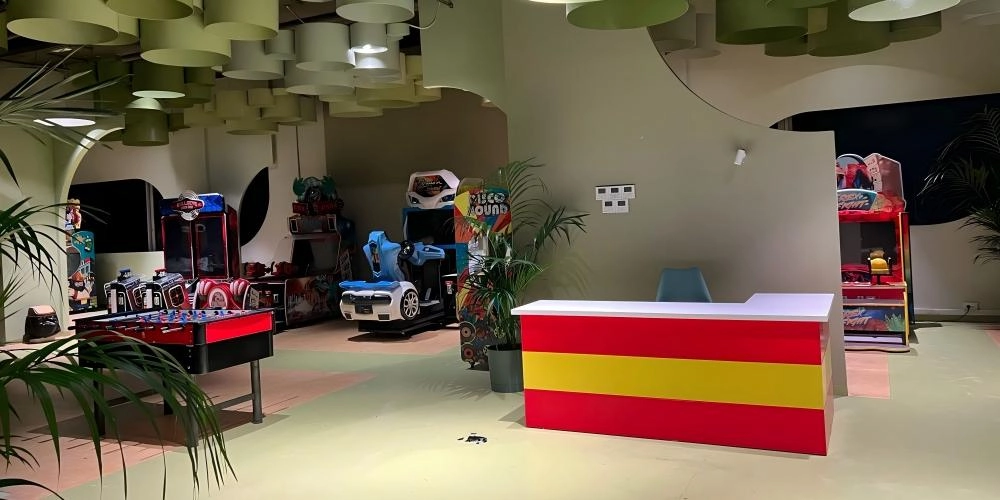
· Layout & Flow: Design your floor plan to eliminate bottlenecks. Place high-earning redemption games near the entrance to draw people in. Create distinct zones: a lower-volume area for immersive VR experiences and a high-energy zone for multiplayer fighting games.
· Lease Negotiation: Negotiate for a "Tenant Improvement Allowance" (TIA) to help offset build-out costs. Ensure your lease explicitly permits "amusement usage" to avoid zoning conflicts later.
Navigating Legal & Compliance: Licenses, Permits, and Insurance
This is the most critical “unsexy” part of the business. Missing a permit can shut you down.
Business Registration & Taxes: Register your entity (LLC or Corp) and obtain your Federal EIN.
Arcade Permits and Licenses:
· Amusement Device License: Most municipalities, such as the City of Syracuse or the State of Tennessee, require a specific license for each machine you operate. Fees can range from $50 to $100 per device annually.
· Certificate of Occupancy: Verifies your space meets fire and safety codes for a public assembly venue.
· Music Licensing: If you play background music, you legally must pay royalties. As noted by SoundMachine and other industry guides, organizations like ASCAP and BMI charge annual licensing fees. Small venues might pay between $200 and $600 per year, but penalties for non-compliance can be in the thousands.
Essential Insurance:
· General Liability: Covers slip-and-fall accidents.
· Property Insurance: Protects your expensive machines from theft, fire, or damage.
· Cyber Liability: Essential if you use cashless systems storing customer credit card data.
Curating Your Game Selection & Equipment Setup
Arcade game selection is an art form that directly dictates your revenue. Industry benchmarks suggest that a successful game can generate between $200 and $485 per week.
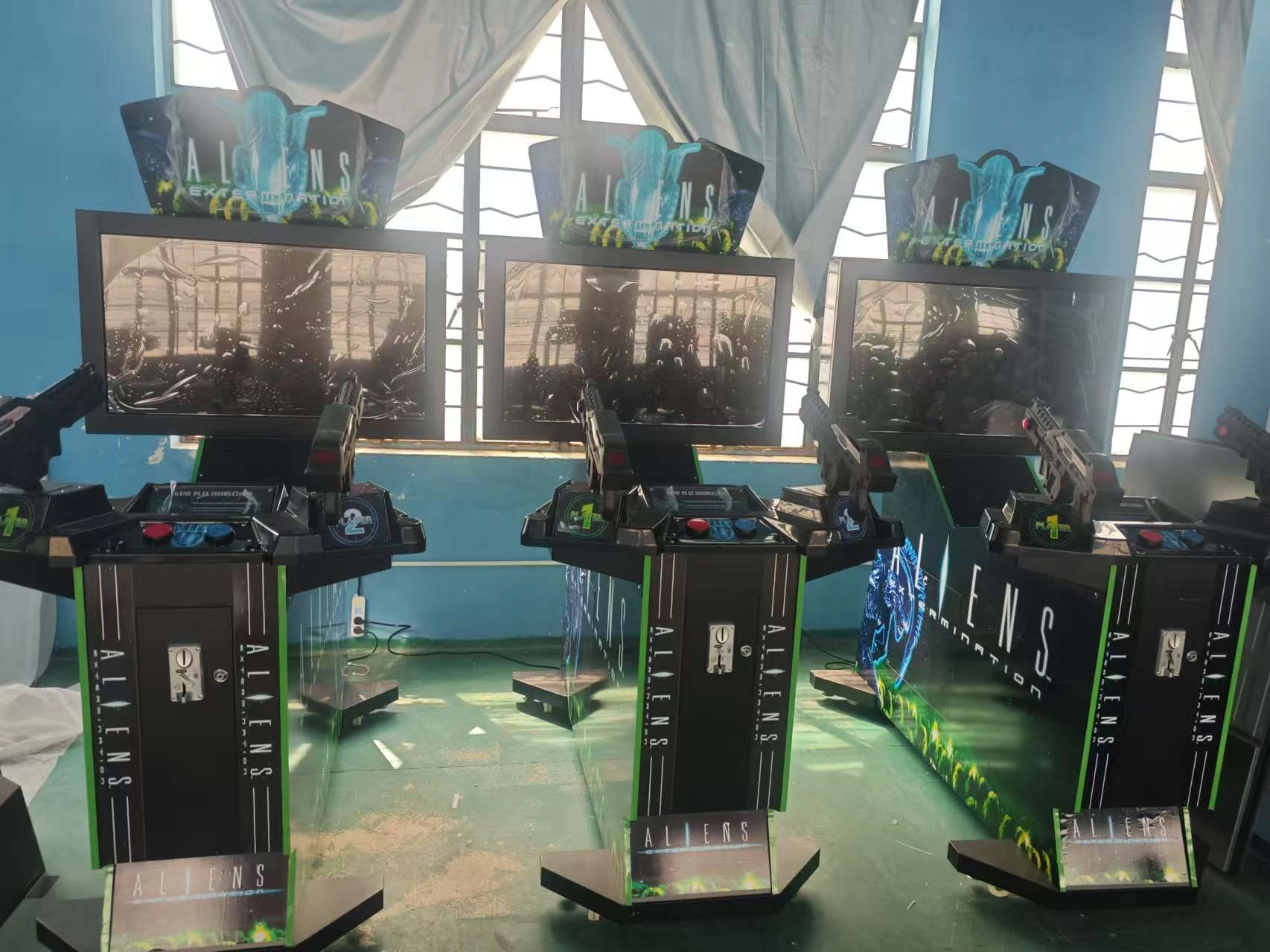
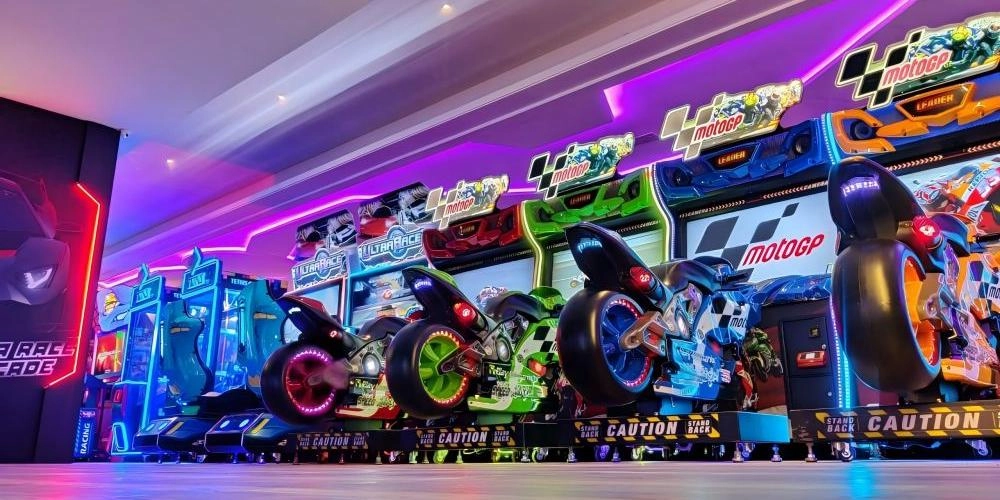
· The Mix: A balanced floor often consists of 30% Video Games (racers, shooters), 40% Redemption Games (ticket earners), and 30% Merchandisers (claw machines, prize lockers). Redemption games typically have the highest ROI.
· VR & Modern Tech: Don't ignore the "attraction" pieces. A 2025 VR market analysis indicates that VR arcades are moving toward multiplayer, free-roam experiences that cannot be replicated at home. These serve as "anchor" attractions to bring customers through the door.
· Sourcing: Buy from reputable distributors who offer warranties. buying used can save 50%, but ensure you have a technician who can service older CRTs or circuit boards.
Operational Excellence: Running a Smooth Arcade
Operational friction kills profitability.
· Cashless Systems: RFID card systems (like Embed or Intercard) increase revenue by 20-30% over coin operation. They encourage higher spending, reduce theft, and provide rich data on which games are performing best.
· Maintenance: A machine that is “Out of Order” earns $0. Implement a weekly preventative maintenance schedule. Train staff to fix simple jams (coin or ticket) immediately.
· Staffing: Your team is the face of the fun. Hire for personality and train for technical skill. In 2026, staff should be equipped with tablets to monitor game status and customer requests instantly.
Marketing Your Arcade for Maximum Reach & Profit
Marketing attracts the initial crowd; experience keeps them.
· Local SEO: Claim your Google My Business profile immediately. Optimize for keywords like "arcade near me" and "birthday party venue." Post high-quality photos of your newest games weekly.
· Social Proof: Encourage user-generated content. Create "Instagrammable" moments—neon signs, giant plushies, or a throne made of circuit boards.
· Events: Hosting tournaments (e.g., Smash Bros or Street Fighter) builds a loyal community. Corporate team-building packages can fill your venue during slow weekday hours.
Maximizing Profitability & Diversifying Revenue Streams
To ensure arcade profitability, you cannot rely on game credits alone.
· High-Margin Concessions: Popcorn, soda, and simple snacks have margins of 80%+. If you have a liquor license, alcohol sales can double your per-head revenue.
· Merchandise: Branded t-shirts or high-quality plush prizes act as marketing tools.
· Private Parties: Birthday parties are the backbone of many FECs. Offer tiered packages that include game cards, pizza, and a private host.
Growth & Scaling Your Arcade Business
Once your first location is stable, look to scale.
· Franchising: Document your operations to potentially franchise your brand.
· Diversification: Add complementary attractions like escape rooms or axe throwing to increase dwell time.
· Mobile Arcades: Rent out a truck filled with games for weddings and corporate events, creating a revenue stream with no additional rent cost.
Common Challenges and How to Overcome Them
· High Cash Burn: Monitor your "Cost of Goods Sold" (COGS) for redemption prizes. Aim for a payout percentage of 25-30%.
· Game Obsolescence: Rotate games quarterly. Lease dynamic titles to keep the floor fresh without full capital expenditure.
· Seasonality: Arcades often dip in the summer (outdoor weather) and peak in winter. Bank cash reserves during peak months to smooth out cash flow.
Conclusion: Your Blueprint for Arcade Success in 2026 and Beyond
Starting an arcade business is a journey that blends passion with precision. By understanding the market shifts toward immersive experiences, rigorously managing your arcade startup costs, and adhering to legal standards, you can build a venue that is both profitable and beloved. The arcade is back—but this time, it is smarter, more diverse, and ready for the future.
Frequently Asked Questions
What are the typical startup costs for an arcade business?
Startup costs vary widely based on size and model. A small retro arcade may cost between $50,000 and $100,000, while a fully equipped Family Entertainment Center (FEC) or VR arcade can range from $150,000 to over $500,000. Major expenses include equipment purchases, leasehold improvements, and a cash reserve for the first few months of operation.
What kind of licenses and permits do I need to open an arcade?
Beyond a standard business license and EIN, you will specifically need Amusement Device Licenses (often per machine) and a Certificate of Occupancy. If you play copyrighted music, you must secure licensing from PROs like ASCAP or BMI. If serving food or alcohol, respective health and liquor permits are also mandatory.
How do I choose the best location for my arcade?
Look for high-foot-traffic areas such as shopping malls, entertainment districts, or near movie theaters. Accessibility and parking are critical. Ensure the building has the electrical capacity to power dozens of machines and adequate HVAC systems to handle the heat generated by electronics and crowds.
What types of games should I include in my arcade to attract customers?
A healthy mix includes 30% video games (racers, shooters), 40% redemption games (ticket earners), and 30% merchandisers (claw machines). This balance caters to "gamers" playing for fun and casual players playing for prizes. Integrating a VR zone is also highly recommended for modern arcades.
How can I make my arcade stand out from the competition?
Differentiation is key. Focus on a specific niche (e.g., 80s retro vs. futuristic VR), implement a seamless cashless payment system, and prioritize customer service. Hosting regular events like esports tournaments or cosplay nights can also build a dedicated community that competitors cannot easily replicate.
What are the most effective marketing strategies for a new arcade?
Leverage Local SEO to ensure you appear in "near me" searches. Use social media (TikTok/Instagram) to showcase the sensory experience of your venue. Grand opening events with influencers and strategic partnerships with local schools or corporate offices for event packages are also highly effective.
How can I maximize profitability beyond just game revenue?
Diversify your revenue streams. High-margin concessions (food/drink), branded merchandise, and private event hosting (birthdays, corporate parties) are essential. Implementing a card system allows you to optimize game pricing and prize payout ratios dynamically to protect margins.
What are some common challenges in running an arcade business and how can I address them?
Common challenges include machine maintenance, theft, and managing prize inventory costs. Address these by hiring a skilled technician (or learning basic repairs), using cashless systems to reduce internal theft, and strictly monitoring redemption payout percentages to ensure they stay within the 25-30% range.
References
· ResearchAndMarkets: Family Entertainment Centers Market - Global Forecast 2025-2030
· SkyQuest: Global Arcade Gaming Market Size & Growth Forecast
· BusinessDojo: Arcade Game Room Break-Even Timeline
Recommended for you
Basketball machine
Can the machine be used outdoors?
Basketball machines are mainly designed for indoor use. However, we offer weatherproof or customized outdoor models upon request.
Soul Warp
Where can I buy replacement parts for Soul warp?
Replacement parts can be purchased directly through our official distributor network or by contacting our customer service team.
What types of scenes are available in the game?
Soul warp offers three different scenes and three difficulty levels. You can choose the level and obstacles according to your level and preferences.
children's category
Do you provide installation or user guidance?
Yes, we provide detailed English manuals, operation videos, and online technical support to help with setup and troubleshooting.
Super Snail
Is this arcade machine safe for kids?
Yes, it has a stable base, safety handles, and controlled gameplay designed for children.
Duck Party
How many players can play at once?
Duck Party supports two players simultaneously, ideal for family or friend challenges.
You May Also Like
Get in Touch with us
If you are interested in our products and services, please leave us messages here to know more details.
We will reply as soon as possible.

 Scan QR Code
Youtube
Guangzhou DiniBao Animation Technology Co., Ltd
Guangzhou Dinibao Animation Technology Company Co., Ltd